
Most people encounter hydrogen therapy and feel the same thing: a pull in two directions at once. Something about it sounds genuinely compelling, and something about it sounds like the kind of wellness claim that dissolves under scrutiny. That tension is reasonable, and it deserves a straight answer rather than a sales pitch.
Molecular hydrogen (H₂) is a gas that can be delivered to the body through hydrogen-rich water, inhalation, or other forms, and it has attracted real scientific attention over the past two decades. Researchers have identified more than 81 clinical trials across a range of conditions and applications, published in peer-reviewed journals and catalogued by institutions including the National Institutes of Health's PubMed database.
That volume of research separates H₂ from most wellness trends. What the research also makes clear, depending on which reviews you consult, is that human clinical evidence remains limited and, in some areas, still unestablished. Both of those things are true simultaneously, and both are essential for an accurate perspective.
The evidence base is built on a solid preclinical foundation. Cell culture and animal studies have generated results substantial enough to fuel ongoing human trials, and H₂ has earned FDA GRAS status, meaning it is Generally Recognized As Safe in its water-dissolved forms. That safety picture is one of the more consistent findings in the literature. The efficacy picture is more complicated, more condition-specific, and more honest about what remains unknown.
Understanding H₂ well enough to make good decisions about it means understanding why size and selectivity matter in cellular chemistry, without overstating what the current evidence says about where that chemistry leads. It means understanding the difference between delivery methods and how those differences affect what actually reaches your body. It means knowing what a real dosage protocol looks like versus what promotional materials claim. And it means placing hydrogen alongside other approaches, including antioxidant supplements, hyperbaric oxygen, NAD+ precursors, and ozone therapy, so you can weigh tradeoffs rather than take anyone's word for it.
This analysis details the biological mechanisms that make H₂ worth taking seriously, the honest state of evidence across specific applications including inflammation, pain, exercise recovery, sleep, cognitive health, and longevity research, the safety profile and who should approach H₂ with extra caution, how the main delivery methods compare in practice, what dosage frameworks currently look like, and how hydrogen fits into a broader wellness strategy in terms of cost, accessibility, and what it does or does not add alongside other modalities.
The goal is not to convince you hydrogen is extraordinary, nor to dismiss a growing area of research. The goal is to give you a clear enough picture that you can decide for yourself whether it belongs in your life, and if so, how to use it in a way that reflects what the evidence actually supports.
The Biology of Molecular Hydrogen: Why a Tiny Gas Does Unusual Things
In biochemistry, H₂ is unusual because it is one of the smallest molecules in existence. Most antioxidant compounds, including vitamin C at 176.12 g/mol, are large enough that biological barriers stop them or slow them significantly. H₂ passes through cell membranes, mitochondrial walls, and the blood-brain barrier, the tightly regulated border that controls what moves from the bloodstream into brain tissue, largely because there is almost nothing to stop something so small.
Where vitamin C requires transport proteins to cross the blood-brain barrier, H₂ diffuses through because of its size alone. Most evidence for this BBB penetration comes from preclinical studies, and human data remains limited, but the mechanism itself is grounded in basic chemistry. Size alone would not make H₂ therapeutically interesting. What matters is what it does once it gets inside.
What "selective antioxidant" actually means
Reactive oxygen species, or ROS, are molecules the body generates constantly. Some are destructive byproducts of normal metabolism. Others are intentional chemical signals that the immune system uses to coordinate responses. The problem with broad-spectrum antioxidants like vitamin C or vitamin E is that they do not distinguish between these two categories. They neutralize both the damaging molecules and the useful ones, which can disrupt physiological signaling your body relies on.
H₂ works differently because of its specific chemical reactivity. It targets the hydroxyl radical (·OH) and peroxynitrite (ONOO⁻), two of the most destructive ROS, while leaving less harmful species like superoxide anions and peroxides alone. The chemistry behind the hydroxyl radical reaction converts it to water, a harmless endpoint. Critically, H₂ does not react with the ROS involved in cell signaling, so immune function and routine cellular communication continue undisturbed.
That is what selective antioxidant means in practice. It is a description of chemical specificity, not a marketing phrase. The selectivity stems from H₂'s reactivity profile, and that profile has been characterized across multiple peer-reviewed publications.
The Nrf2 pathway: your body's internal antioxidant system
Direct neutralization of harmful ROS is one part of how H₂ operates. The second part is less intuitive and arguably more significant as a mechanism.
H₂ upregulates the Nrf2 pathway, where Nrf2 is a transcription factor that regulates the body's own antioxidant response. When Nrf2 is activated, it triggers production of endogenous antioxidant enzymes, meaning enzymes your body synthesizes internally rather than absorbing from outside. These include superoxide dismutase (SOD), glutathione peroxidase, and catalase. Glutathione, which you may recognize from supplement marketing, is one product of this pathway.
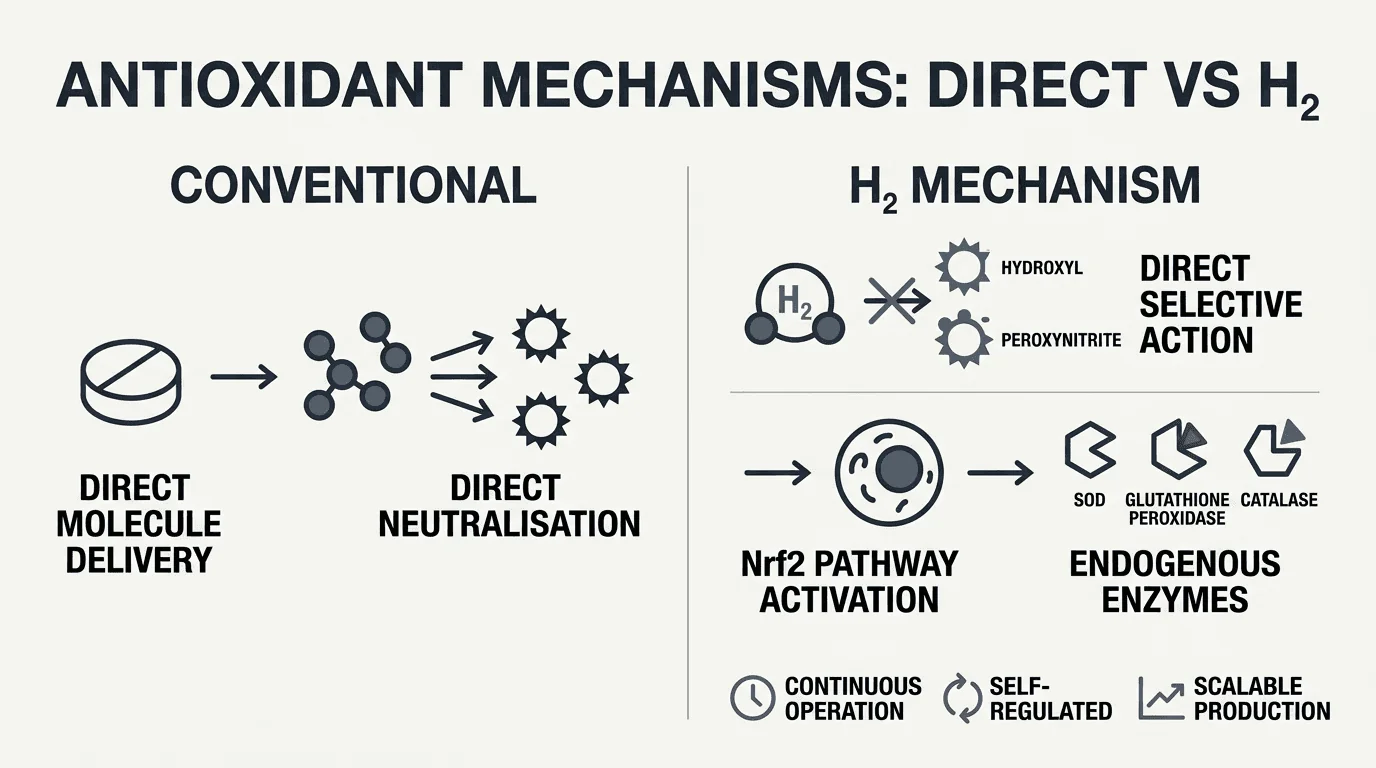
This is what separates H₂ from a standard antioxidant supplement. A vitamin C tablet delivers an antioxidant molecule directly. H₂ activates a genetic program that instructs the body to produce antioxidant enzymes on its own. The distinction matters because endogenous enzymes operate continuously, are regulated by the body's own feedback systems, and can be produced at scale in response to oxidative demand. That makes this a signaling intervention: an input that changes how the body's systems respond, rather than simply adding a molecule to the mix.
The amplification effect of Nrf2 upregulation, combined with direct selective neutralization of hydroxyl radicals and peroxynitrite, is why researchers have described H₂'s protective mechanism as more layered than that of conventional antioxidant approaches.
The Research Landscape: What the Clinical Evidence Actually Shows
The biological case for H₂ is compelling. The translation into human clinical outcomes is a different, more complicated story, and that gap is exactly what the research landscape reveals.
Clinical evidence refers to findings from studies in human patients or healthy volunteers, rather than cell cultures or animal models. That distinction matters because mechanisms that work elegantly in a mouse or a petri dish do not always hold when tested in the messier biology of a living person. The honest picture of H₂ research requires holding both layers simultaneously: the preclinical foundation is real and substantial, and the human evidence, while growing, remains limited in scale and uneven across conditions.
How much research actually exists
The body of evidence for H₂ has been expanding meaningfully, with one review identifying 64 human publications and more than 81 clinical trials registered across major databases, including 47 on ClinicalTrials.gov and 34 on Japan's UMIN preregistration system. Trial registrations have increased steadily since 2011, averaging 6 to 10 per year between 2020 and 2023. Those figures are current as of mid-2023, with no comprehensive updates available from the covered sources after that point.
That volume places H₂ in a different category than most wellness trends. Most wellness-adjacent compounds never attract enough credible scientific interest to generate dozens of registered trials. This volume partly reflects the mechanistic plausibility established in the prior section: when researchers can see a coherent biological reason for an effect, they are more motivated to design formal trials to test it.
The hierarchy of evidence and where H₂ sits
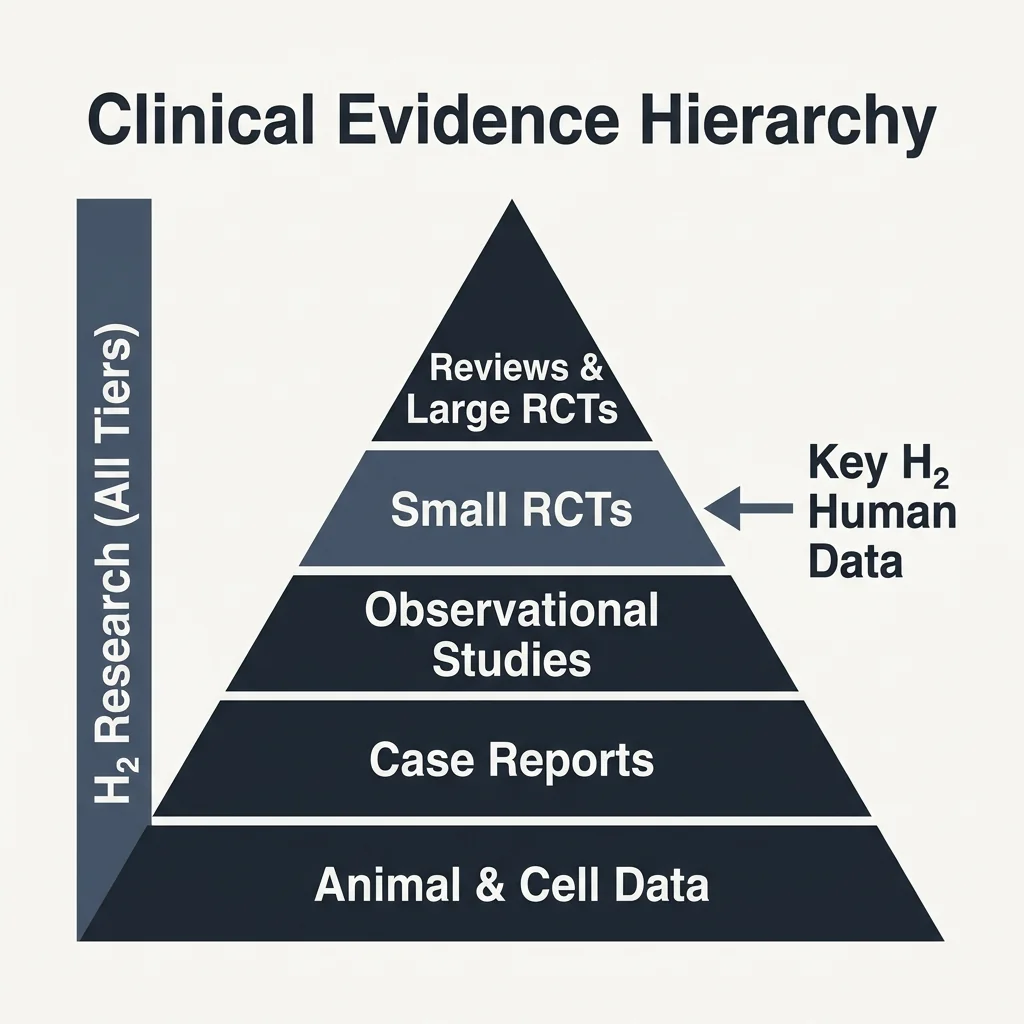
The hierarchy of evidence is the framework clinicians use to weigh research quality. At the top are large, well-controlled randomized controlled trials and systematic reviews that aggregate their findings. Below that sit smaller RCTs, then observational studies, then case reports, then animal and cell data. The further down the hierarchy, the more cautious the interpretation should be.
H₂ research currently spans that entire range, with most of its human-trial work sitting in the small-to-medium RCT tier rather than the large, multisite trials that produce definitive clinical guidance. A 2025 randomized controlled trial enrolled 121 knee osteoarthritis patients to investigate H₂-O₂ inhalation. Trials in metabolic syndrome have shown measurable effects on BMI, cholesterol, glucose, and inflammation markers.
Athletic performance work, including a seven-day cycling study and trials showing improvements in muscular endurance and lower-limb power recovery, has produced encouraging results, though findings vary across studies. The cancer adjunct space, where H₂ inhalation combined with immunotherapy showed improved survival outcomes in lung cancer patients compared to immunotherapy alone, has generated some of the most clinically significant early signals, alongside documented quality-of-life improvements for patients undergoing chemotherapy and radiotherapy.
None of that constitutes definitive proof. Researchers who have reviewed the field consistently call for larger trials, and H₂ has not moved into standard clinical practice.
Why longevity practitioners are watching anyway
The practitioners most actively engaged with H₂ tend to describe their reasoning in terms of mechanism-first logic: when you have a biologically plausible intervention, an expanding trial database generating consistent directional signals, and a favorable safety profile, the combination justifies serious clinical attention even before large-scale confirmation arrives.
Practitioners in this space typically acknowledge that the current evidence supports cautious exploration, not broad prescription, and that the open question of whether H₂'s antioxidant action could theoretically interfere with oxidative processes in cancer treatment contexts is one they take seriously. The HydrogenFAST study, an ongoing trial for cardiac arrest patients, received favorable pre-IND FDA review and IRB approval, reflecting the kind of institutional engagement that separates a credible research program from fringe wellness claims.
Safety, Regulation, and Who Should Use Caution
A safety profile represents how a substance affects the body at specific exposure levels. For H₂, the safety profile is generally reassuring but requires nuance in certain areas.
Flammability: real chemistry, minimal practical risk
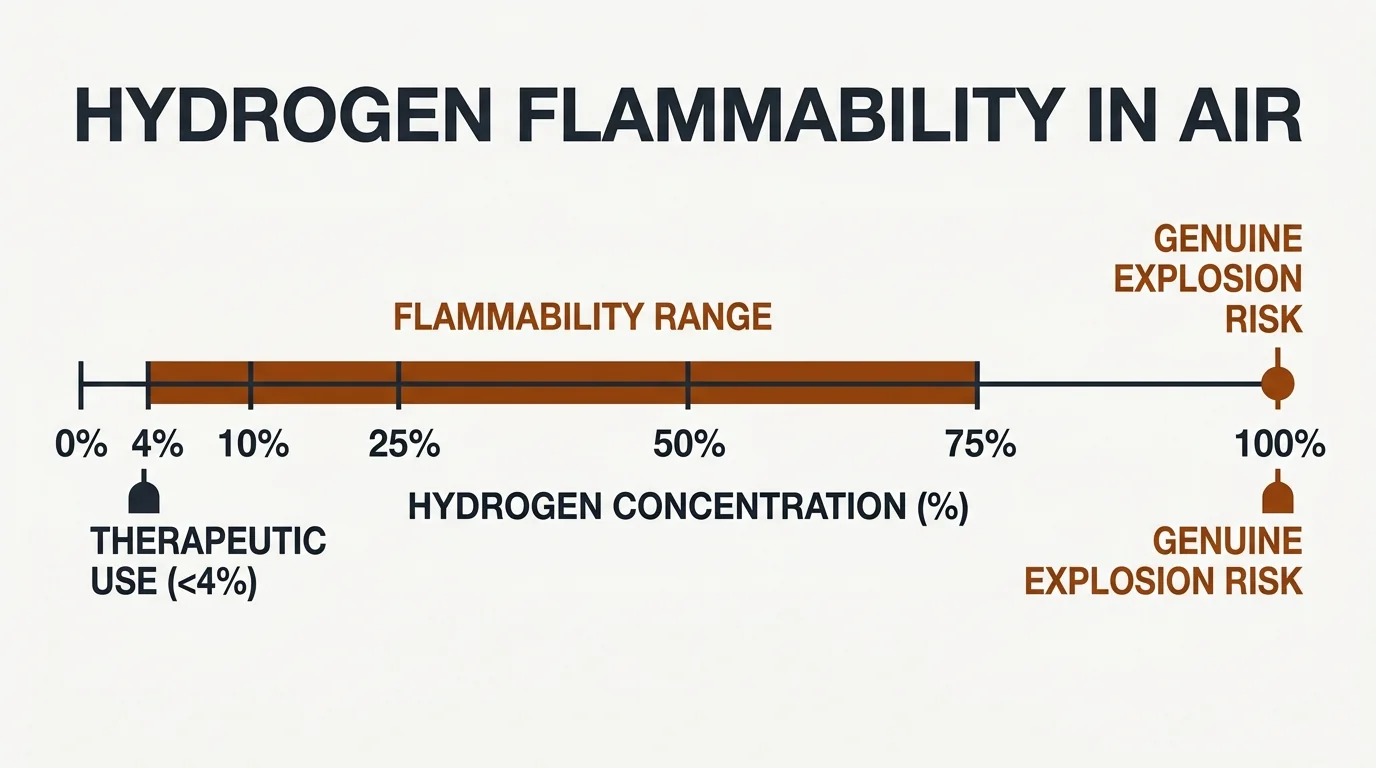
Hydrogen is flammable at concentrations between 4% and 75% in air. That range is a fact of chemistry, and it explains why the "hydrogen is explosive" concern appears so often. What matters for anyone evaluating therapeutic use is where wellness applications fall relative to those thresholds.
Systems that generate 100% hydrogen concentration carry genuine explosion risk and should be avoided. Properly designed wellness devices operate at concentrations intended to stay well below the 4% lower flammability limit, and the gap between therapeutic concentrations and the flammability threshold is significant. Separately, H₂ acts as a simple asphyxiant; at concentrations high enough to displace oxygen below 19.5% of ambient air, asphyxiation becomes a risk.
What "non-toxic" actually means for inhalation
Both hydrogen inhalation and hydrogen-rich water have a non-toxic profile. H₂ is physiologically inert at therapeutic concentrations, produces no toxic metabolites, and generates no residue that accumulates in tissue. That inertness is not a commercial claim; it reflects the same chemical properties that made hydrogen viable in deep-sea diving gas mixtures long before wellness applications existed.
GRAS status, established earlier, covers hydrogen in water and beverage contexts. It does not extend to inhalation devices as a product category, which have a separate regulatory standing.
The regulatory picture for inhalation devices
Hydrogen inhalation devices marketed for wellness purposes have not received FDA 510(k) clearance as therapeutic devices. When manufacturers use terms like "FDA-registered" or reference compliance certifications, those designations typically reflect adherence to general wellness policy or low-risk device exemptions, not therapeutic clearance.
The label "medical-grade" on a hydrogen inhalation device does not equate to FDA approval. The pathway is defined clearly: disease-treatment claims for any device require rigorous FDA approval, which no current hydrogen inhalation product has demonstrated. Wellness devices avoid that clearance threshold by being non-invasive and limiting claims to general benefits like energy or hydration.
If you want to verify a specific device's status, the FDA's 510(k) database is the authoritative reference. One frequently cited clearance number, K033688, refers to an unrelated breath monitoring device, not a hydrogen therapy product.
Who should use caution
Current evidence indicates no absolute contraindications for hydrogen therapy. For healthy adults considering general wellness use, the safety picture is favorable. However, certain contexts call for more careful consideration.
The open question of whether H₂'s antioxidant activity could theoretically interfere with oxidative processes in active cancer treatment means anyone in active oncological treatment should approach hydrogen use thoughtfully. Individuals managing significant underlying conditions should factor their personal health picture into any decision about adding a new modality.
Delivery Methods: How Hydrogen Enters the Body and Why the Route Matters
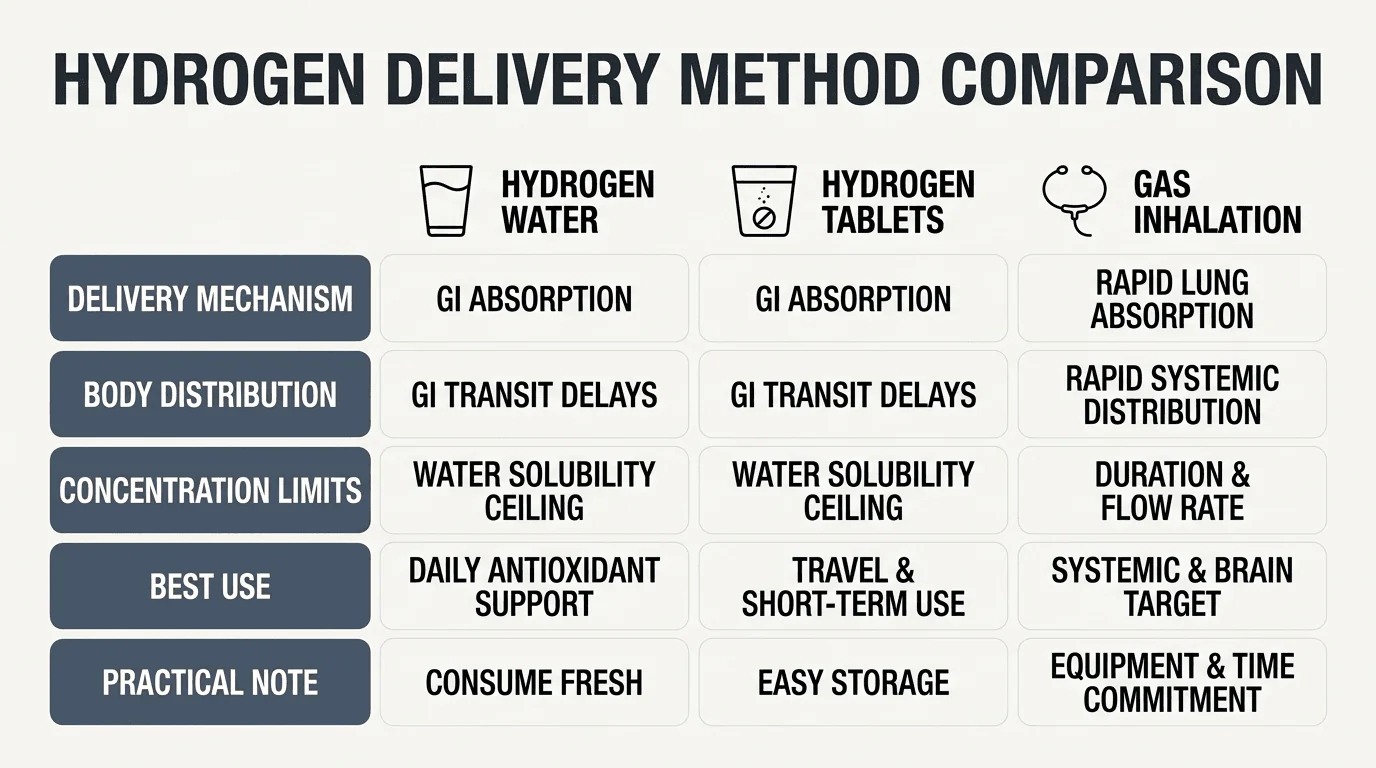
Every pharmacist knows that the same active ingredient administered as a topical cream, an oral pill, and an IV infusion produces different clinical results. H₂ follows that same logic. The three primary delivery methods—hydrogen-rich water, hydrogen tablets, and gas inhalation—are not interchangeable formats for the same dose.
How the routes differ
Hydrogen water and tablets both rely on GI absorption. When you drink hydrogen-rich water, H₂ dissolved in the liquid enters the digestive system and is taken up through the gastrointestinal tract. Tablets work by the same mechanism: they dissolve in water immediately before drinking to produce hydrogen-rich water, then follow the same GI uptake pathway.
Inhalation takes a different path entirely. Breathed in as a gas, H₂ crosses from the lungs into the bloodstream rapidly, reaching systemic circulation without the delays and variability associated with GI transit. From there, it distributes to tissues throughout the body, including the brain. The same physical properties that allow H₂ to cross the blood-brain barrier apply here.
Concentration and the water saturation ceiling
Water has a physical limit on how much H₂ it can hold in solution. That ceiling constrains what any water-based format can deliver in a single serving. Hydrogen-rich water with H₂ concentration in the range of 1,000 to 1,300 ppb is generally considered effective for antioxidant support.
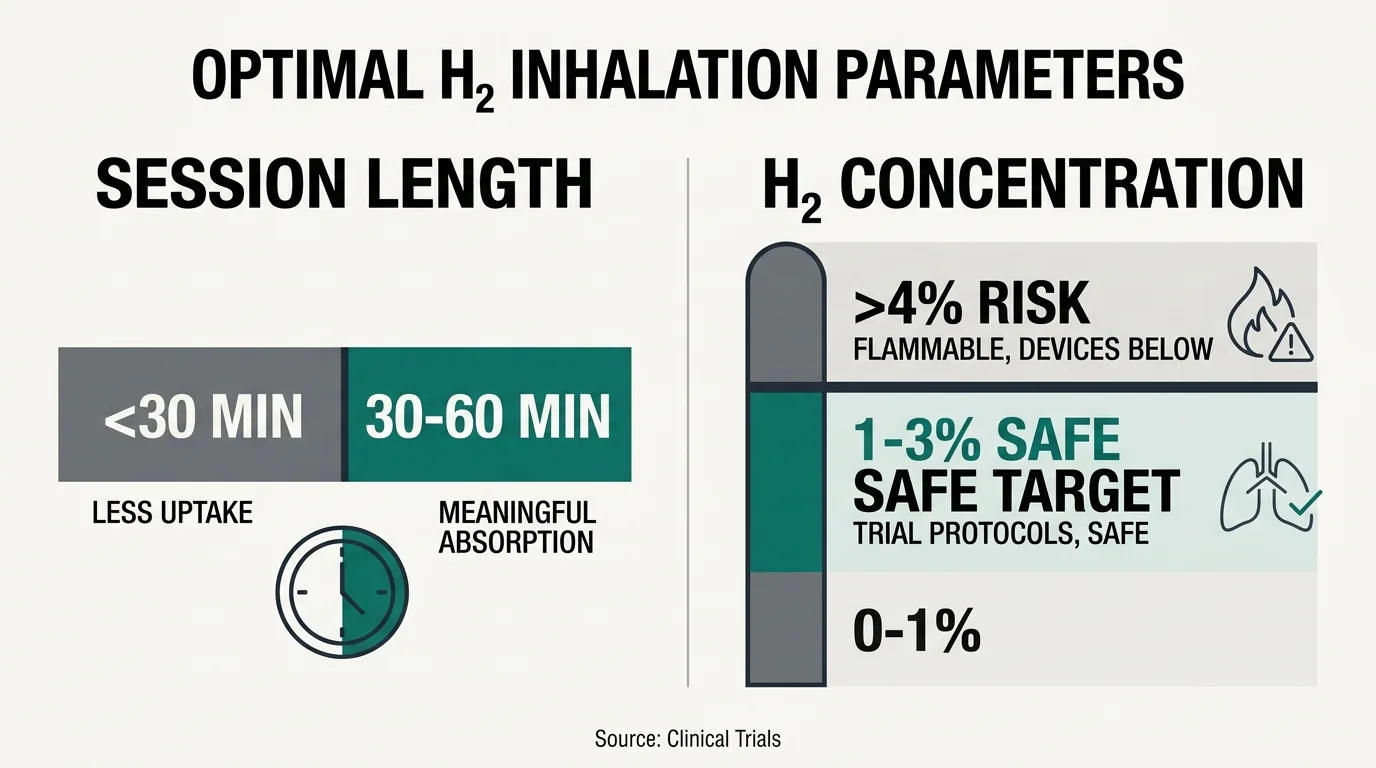
Inhalation is not constrained by water's solubility limits. Because the gas goes directly into the lungs and then the blood, the effective dose is shaped by session duration and flow rate rather than by how much H₂ water can physically hold. A 30 to 60 minute inhalation session allows for meaningful absorption across that window.
Choosing a route based on your goal
The choice between formats depends on what you're trying to accomplish. Inhalation is the route best positioned for systemic distribution, including brain-targeted delivery. Hydrogen water and tablets offer straightforward daily dosing without equipment constraints. They are well-suited to antioxidant maintenance use.
Dosage, Session Length, and Building a Sustainable Protocol
Building a protocol around hydrogen therapy means working with a different kind of framework than most supplements offer. Instead, parameters drawn from clinical trials, practitioner experience, and device specifications provide a workable starting point.
Session length and concentration
For hydrogen inhalation, the therapeutic session parameters established across trial protocols generally involve sessions in the range of 30 to 60 minutes.
Concentration is the other key variable. Clinical evidence confirms that 1 to 3% H₂ inhalation is safe, with the safety rationale for therapeutic use prioritizing concentrations well below 4%. At 3% H₂ inhalation, no physiological changes in healthy parameters have been observed in clinical settings.
Frequency and what to expect
Frequency depends on your goal more than on any single rule. Daily use is common in protocols targeting recovery, while several-times-per-week sessions are reasonable for general wellness.
The subjective experience often surprises first-time users: most people notice very little during a session. Mild relaxation is the most commonly reported sensation. Reported side effects are typically mild and resolve without intervention. These include occasional bloating, nausea, dizziness, or drowsiness.
Inflammation, Joint Pain, and Exercise Recovery: What the Research Shows
Inflammation is the body's tissue-repair signal: useful when it resolves, problematic when it lingers. H₂'s selective antioxidant action and Nrf2 upregulation are precisely the mechanisms researchers have pointed to when investigating whether hydrogen can help that resolution process along.
What the rheumatoid arthritis research found
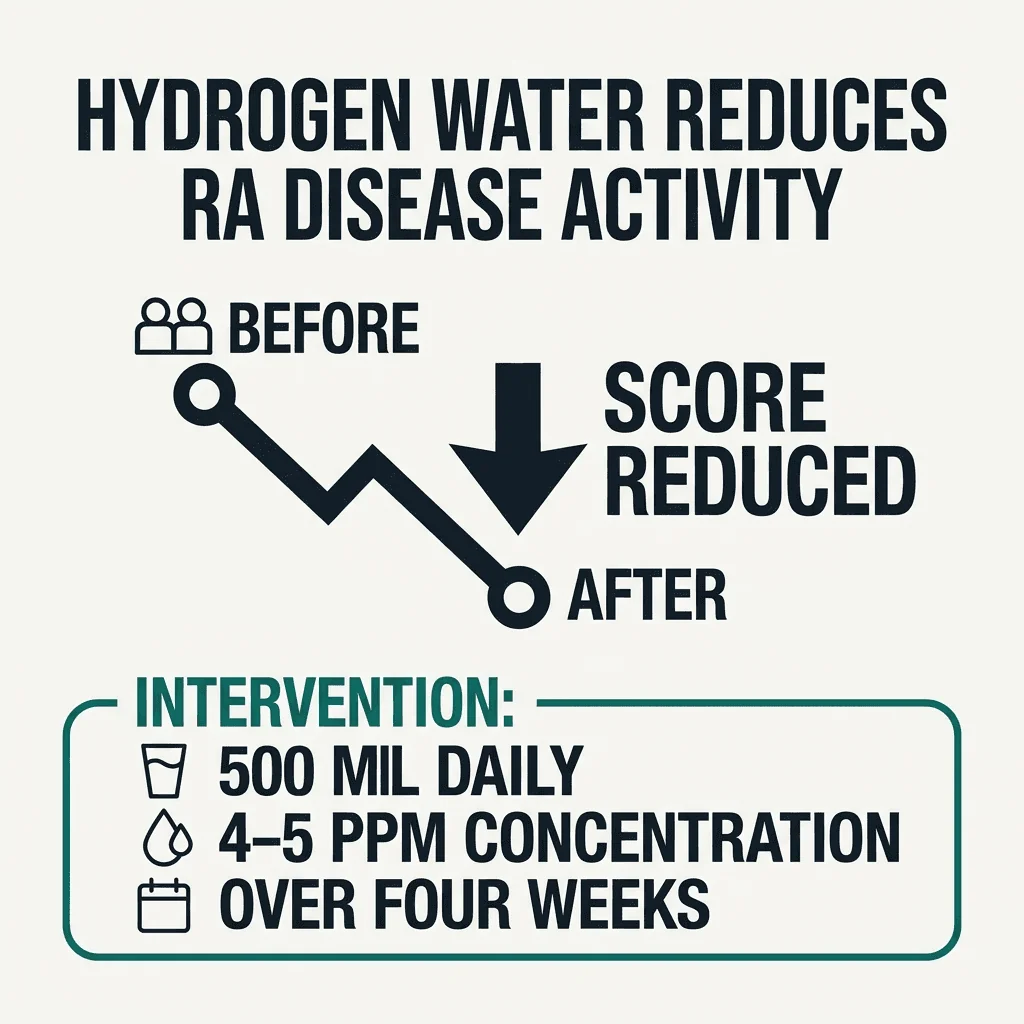
The most developed human data in this area comes from rheumatoid arthritis. One review noting 25 studies found encouraging results for hydrogen-rich water in reducing oxidative stress, a key driver of the inflammatory burden in conditions like RA.
Oral hydrogen supplementation showed some directional improvement in Erythrocyte Sedimentation Rate, a blood marker reflecting systemic inflammatory activity, in chronic disease patients. H₂ does not appear to act as a pain-blocking agent in the conventional sense; the proposed mechanism runs through reducing the oxidative and inflammatory load.
Exercise recovery and what creatine kinase tells us
When muscle tissue is stressed by intense training, creatine kinase (CK) leaks into the bloodstream. One study in elite fin swimmers found that HRW reduced CK activity by a statistically significant margin compared to controls, measured 12 hours after a demanding afternoon session.
Brain Fog and Neurological Support: The Evidence for H₂ CNS Access
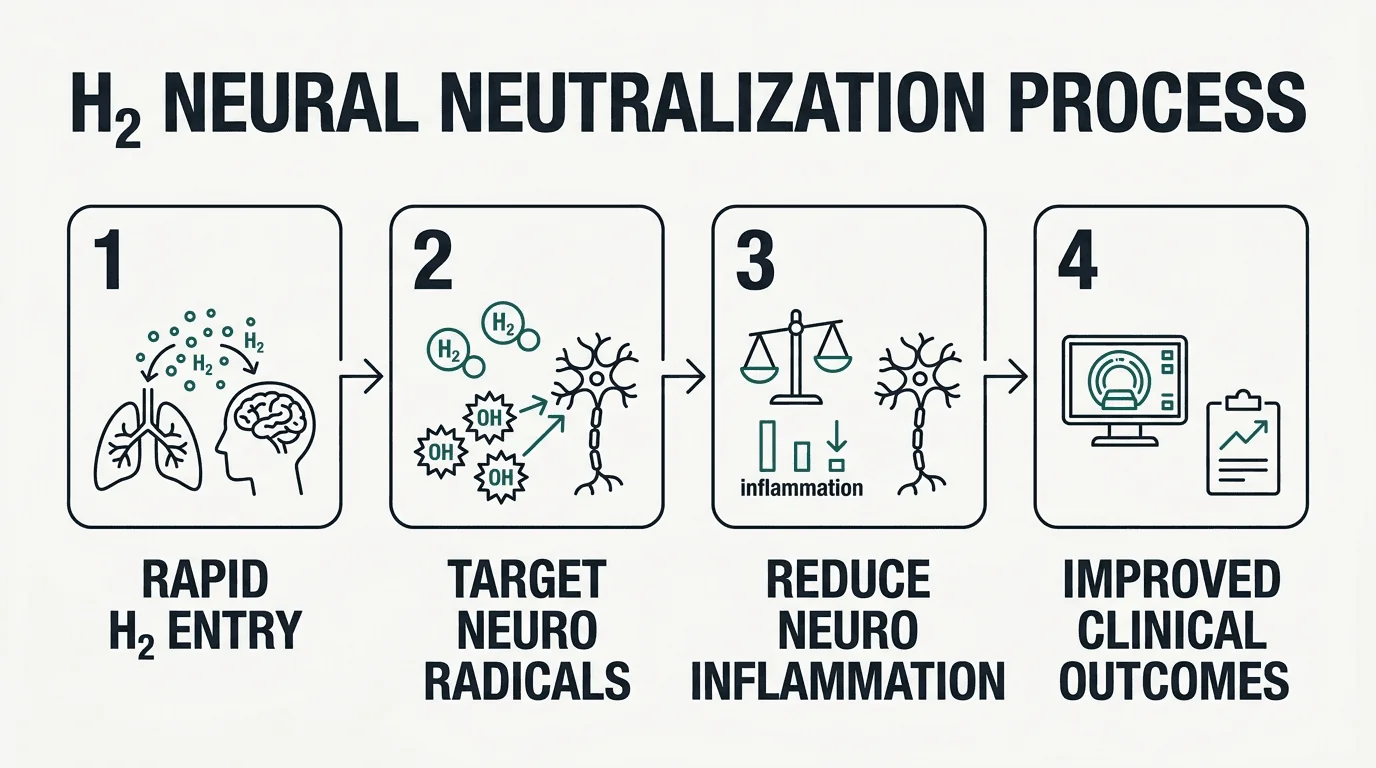
Neurological oxidative stress refers to the imbalance that occurs when ROS accumulate in brain tissue faster than the brain's own defenses can neutralize them. This combination makes oxidative stress a central mechanism in conditions ranging from acute neurological events to the slower, low-grade neural deterioration that many people experience as brain fog.
Neuroinflammation contributes directly to brain fog. H₂ therapy targets neuroinflammation as a specific condition of interest.
What clinical data from acute neurological events shows
The most direct human evidence for H₂'s neurological effects comes from acute settings. H₂ inhalation improved neurological outcomes in post-cardiac arrest patients. In cerebral ischemia and stroke patients, hydrogen therapy produced improvements in MRI indices.
H₂ from inhalation rapidly enters brain tissue, where it neutralizes hydroxyl radicals and reduces oxidative stress. While data from acute events is strong, the evidence specifically addressing everyday cognitive complaints remains preliminary.
Longevity and Anti-Aging: Where Hydrogen Fits in the Bigger Picture
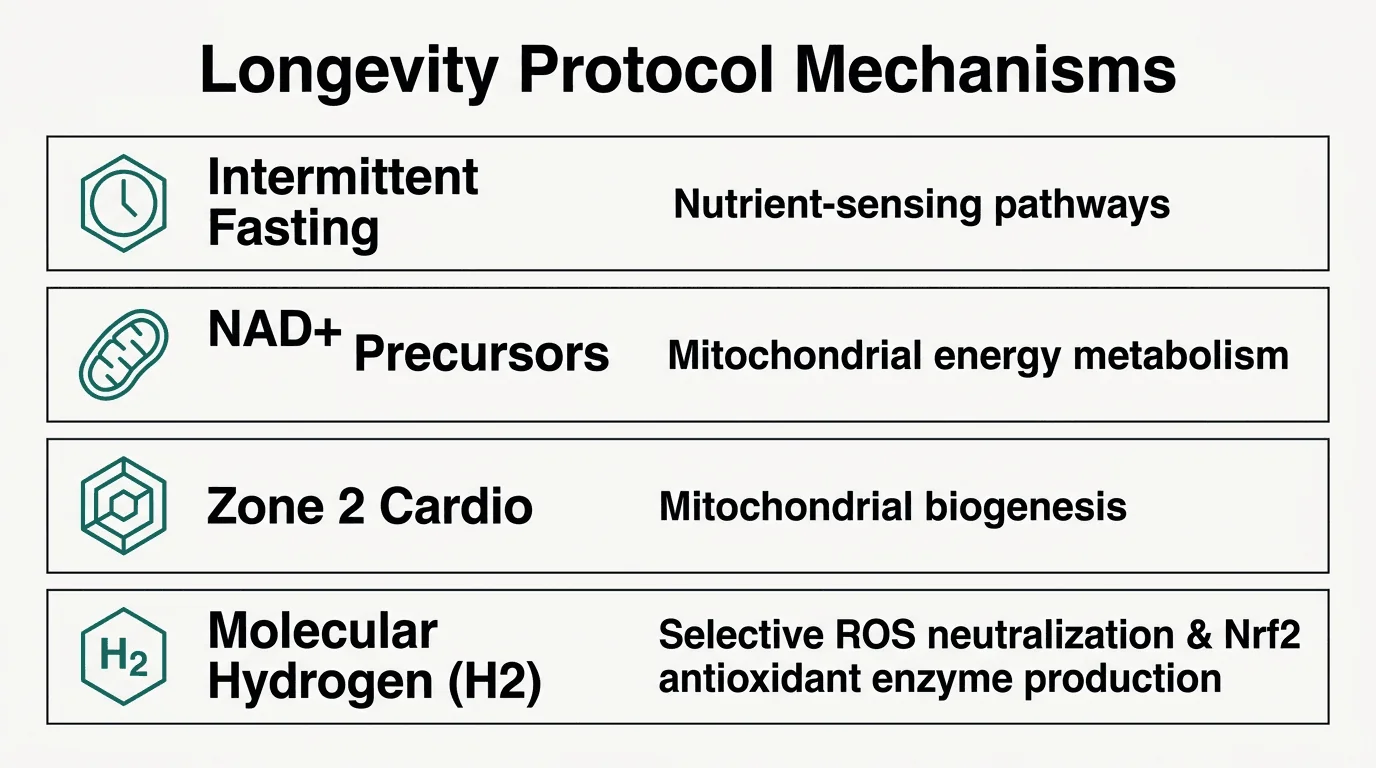
Aging is the accumulation of cellular damage over time. H₂'s selective antioxidant action and Nrf2 upregulation address both oxidative stress and mitochondrial dysfunction directly.
What mitochondrial support means for H₂
H₂ addresses mitochondrial dysfunction through two routes: directly neutralizing the most destructive ROS and upregulating Nrf2. Published research confirms that H₂ acts broadly across the cellular environment in ways that more localized interventions cannot.
Where hydrogen fits among other longevity interventions
The longevity field includes NAD+ precursors, Zone 2 cardio, and intermittent fasting. H₂ operates through selective ROS neutralization, a mechanism profile that overlaps minimally with those approaches.
One practical way to think about the stack: H₂ addresses the oxidative load that accumulates across all tissues continuously. For those interested in home hydrogen inhalation, session parameters from clinical trial work represent a starting framework.
Hydrogen vs. Supplements and Other Therapies: An Honest Comparison
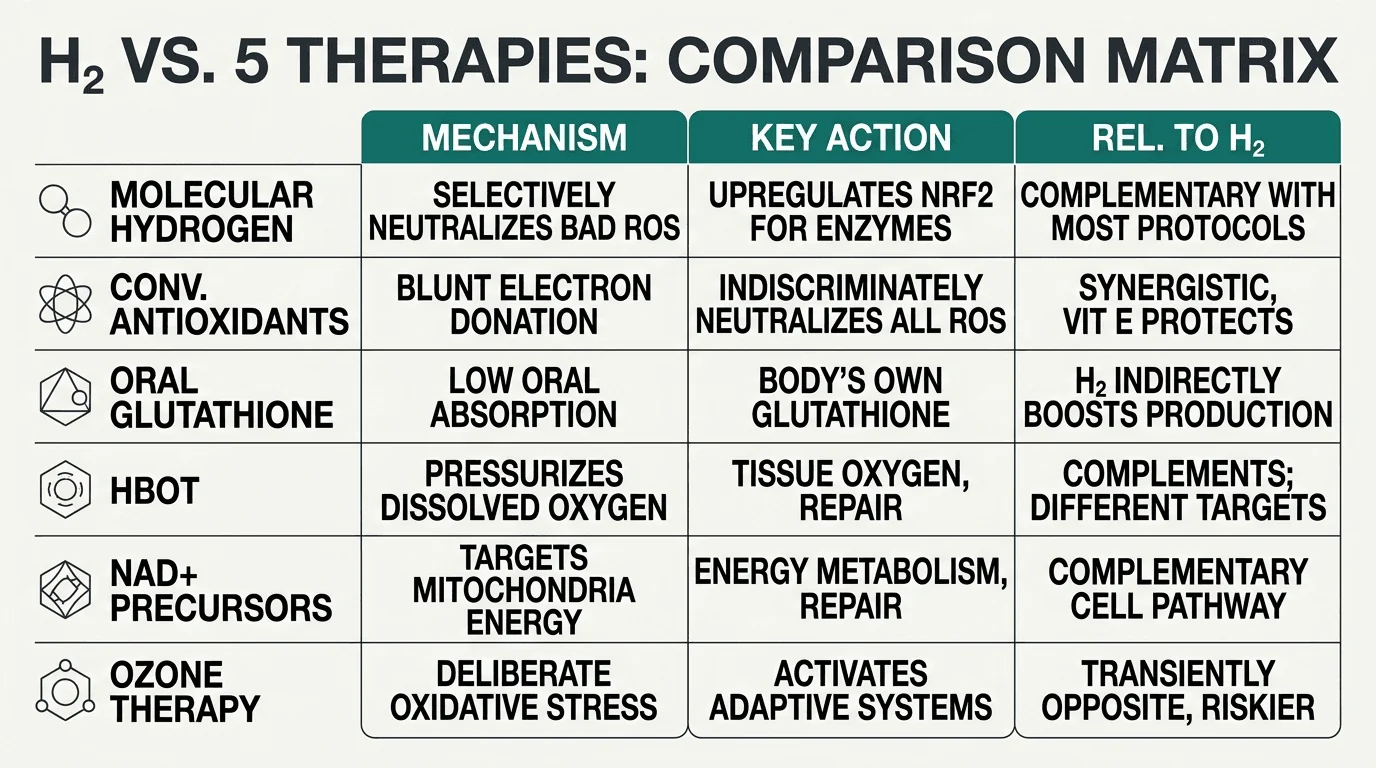
Most wellness protocols face a resource allocation problem. When comparing therapy types, the practical question is which combination addresses different problems.
H₂ vs. conventional antioxidants and glutathione
Broad-spectrum antioxidants do not distinguish between harmful ROS and species that regulate normal cell signaling. H₂ does not disrupt this beneficial signaling. Compared to oral glutathione supplements which have low bioavailability, H₂ stimulates the body's own production.
H₂ vs. HBOT and Ozone
Hyperbaric oxygen (HBOT) carries risks like oxygen toxicity and claustrophobia, and its primary strength is tissue oxygenation. Ozone therapy is considered riskier than hydrogen therapy as it deliberately introduces oxidative stress.
Cost, Access, and Integrating Hydrogen With Your Wellness Routine
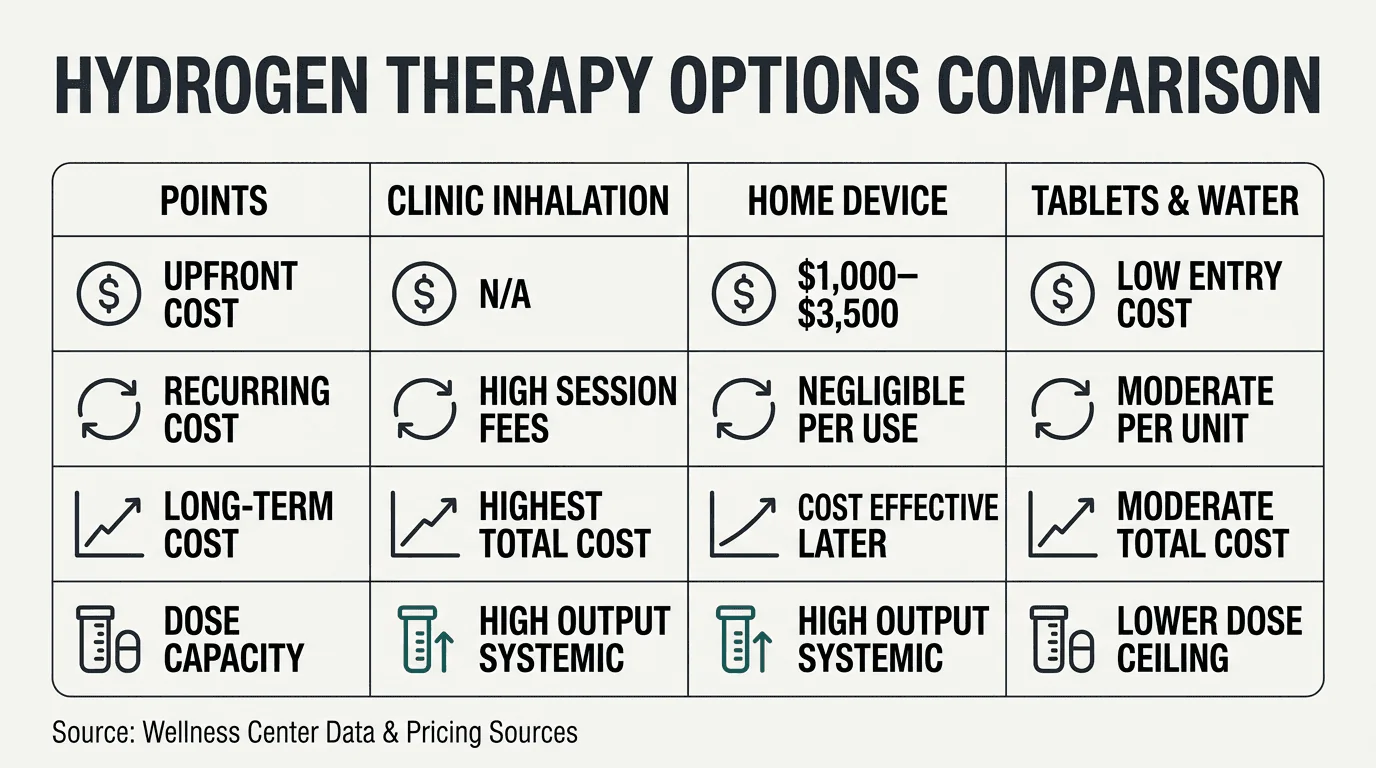
Clinic-based hydrogen inhalation typically runs $40 to $85 per session according to wellness centers. For regular users, at-home devices become more cost-effective over time.
HSA and FSA eligibility
Some hydrogen products have qualified as eligible health expenses under HSA/FSA, with pre-tax savings around 30 to 40%.
Integrating hydrogen with infrared sauna
Sauna and hydrogen are usually sequenced rather than run simultaneously. Running hydrogen pre-sauna allows for systemic distribution before hormetic heat stress. Running it post-sauna addresses recovery after the sauna stimulates detoxification.
Making Your Decision

Whether hydrogen therapy belongs in your protocol depends on your goals—like extensvie preclinical health support—and your comfort with maturing data.
The honest summary: hydrogen therapy has crossed from fringe curiosity into a mechanistically grounded intervention with a genuine and growing evidence base. It is not a proven clinical treatment, but for those whose goals align with its mechanisms, the case for including it is real.
Where you land on hydrogen therapy comes down to something simpler than the science: does the fit work for you?
The field is in an honest middle position. The human evidence is real and developing, and at a fraction of the per-serving cost of tablets, at-home machines offer a clear calculation for long-term use. If you're looking for an intervention that has moved past fringe territory but has yet to cross into standard clinical practice, hydrogen therapy is ready for your evaluation.